Hebron lockdown reaches seventh day
Israeli forces have maintained a strict siege of the West Bank city for a week, displacing over 3,000 residents and detaining more than 110 people.
By Alexander Parker ·
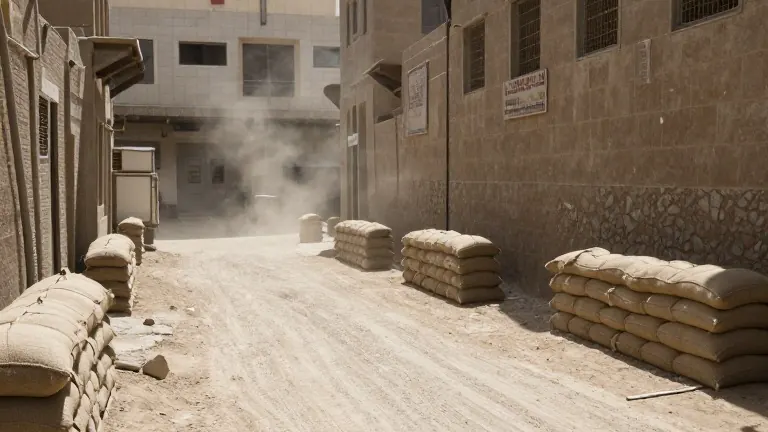
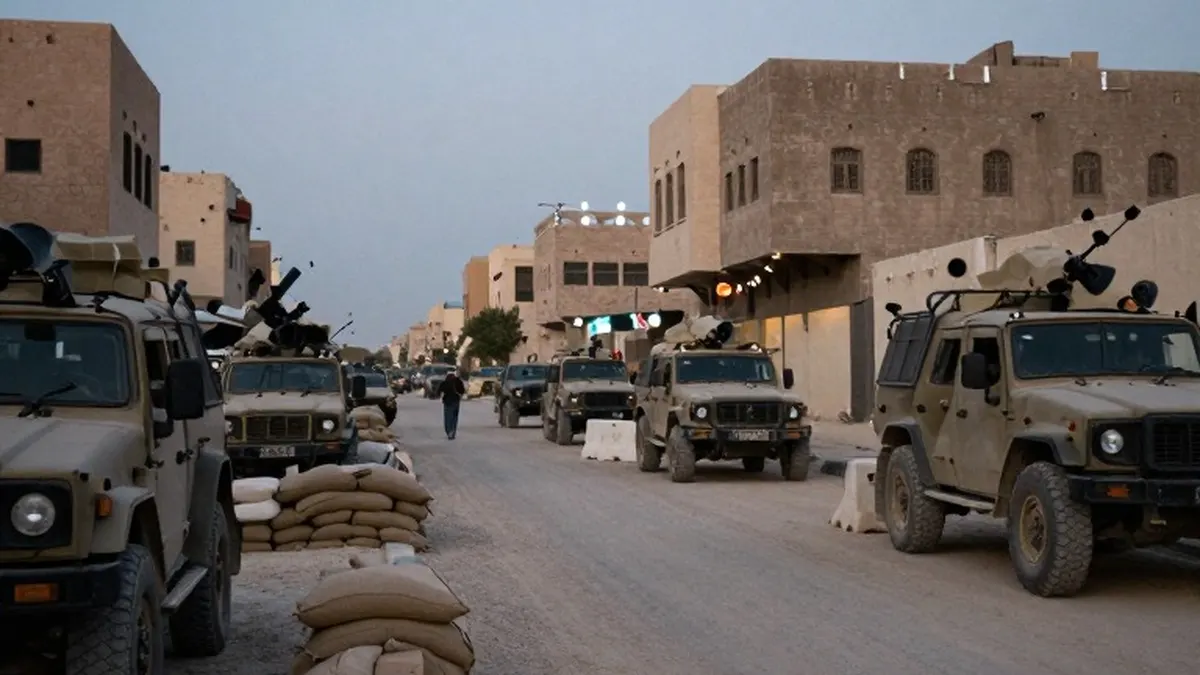
The Israeli army has extended its military lockdown of Hebron for a seventh straight day. The siege, which began Friday of last week, has closed all entrances and exits to the occupied West Bank's largest city. Restrictions limit residents' movement and access to essential services.
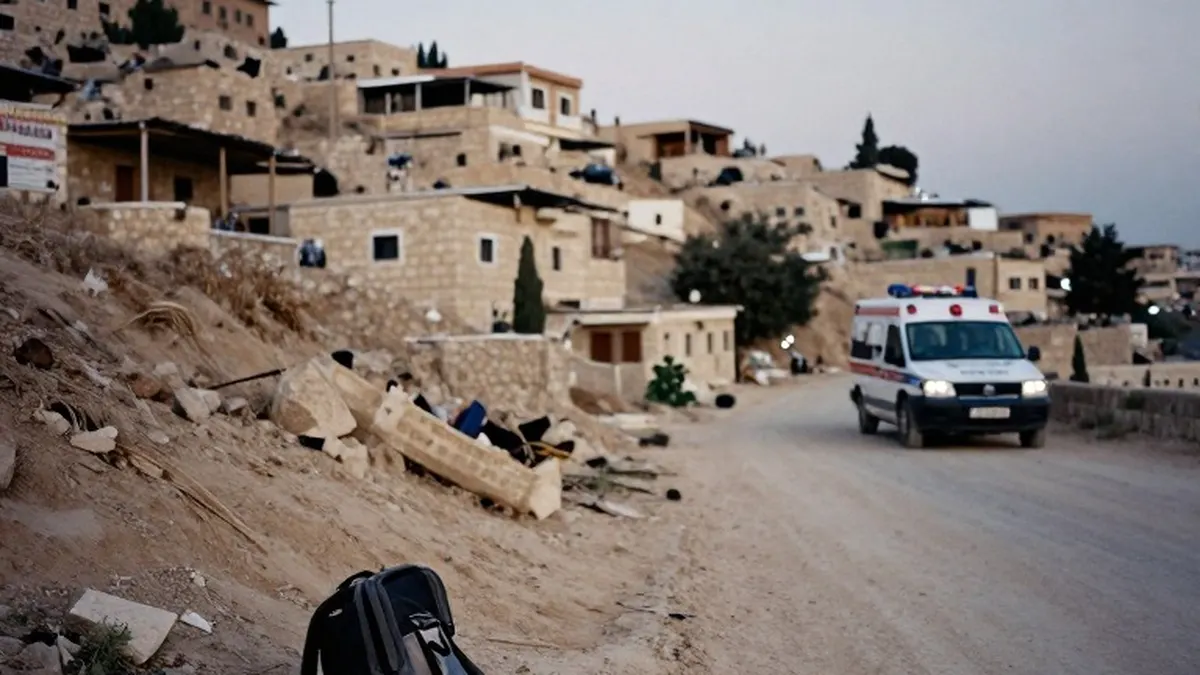
More than 3,000 people have been forced out of the city. This displacement follows the conversion of numerous Palestinian homes into military posts and barracks. According to the Wafa news agency, two Palestinians were injured and seven detained on Thursday. These incidents occurred as Israeli settlers attacked Palestinians and their vehicles in the Ras al-Joura area near the city's northern entrance.
The campaign followed the killing of two Israeli soldiers by Palestinian gunmen at a checkpoint near the settlement of Telem. Israeli forces later killed the gunmen in Hebron. Prime Minister Benjamin Netanyahu ordered the closure on social media, stating he would act to destroy the place and change it completely. He also said forces should prepare for a full lockdown across Judea and Samaria.
Far-right Finance Minister Bezalel Smotrich called for a comprehensive military campaign similar to the one in Gaza. A United Nations inquiry last year found that the war in Gaza constituted a genocide. As the siege began, troops launched a large demolition operation on dozens of Palestinian buildings. They also stormed the Ein Deir Bahha neighborhood, forcing dozens of families to flee at night without belongings.
Footage showed soldiers beating Hijazi Shawer, a 70-year-old shopkeeper and community leader. Forces also fired tear gas at Al-Ahli Hospital, causing panic among patients and staff. On Wednesday, the Palestinian Prisoner's Society reported at least 110 detentions in the Hebron governorate since the raids started. This group included three women and seven children.
The siege has isolated 12 villages and hamlets in the Masafer Yatta region. Residents and farmers are cut off from markets and urban centers. Dozens of patients requiring daily medical care cannot reach hospitals. Settlers uprooted more than 200 fruit trees and destroyed water wells east of Hebron. They also prevented farmers from harvesting olives, according to Wafa. Hebron accounts for about 40 percent of Palestinian industrial output and 30 percent of exports.
Palestinian officials accuse the government of using the operation to secure settler votes before Tuesday's elections. The human rights group Al-Haq stated that the siege violates international law and amounts to an international crime. The Israeli NGO B'Tselem described the operation as an act of collective punishment rather than a security measure. UN Human Rights Chief Volker Turk called collective punishment a grave violation of international law and raised concerns about ethnic cleansing.
Roland Friedrich of UNRWA noted that the displacement echoes events in the northern West Bank in early 2025. Over 34,000 refugees from Jenin, Tulkarem, and Nur Shams camps remain forcibly displaced more than a year later. Muhammed Shehada of the Euro-Med Human Rights Monitor said the government's goal is to advance de facto annexation by making life impossible for Palestinians. He described collective punishment as a terror tactic to prevent reactions to the pace of ethnic cleansing.
Source: Al Jazeera