
Libya Succession: Haftar Son Ratifies Deal to Win Presidency
Saddam Haftar secured Turkish support for a US-backed power-sharing plan by passing a maritime agreement that his region had opposed for seven years.
By Thomas Bennett ·
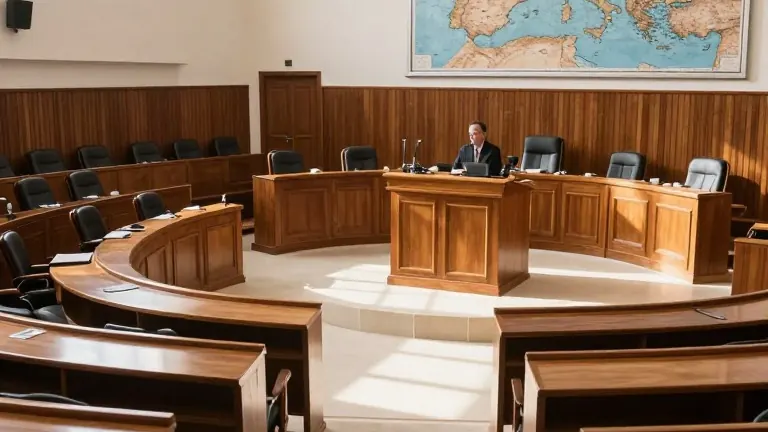
Saddam Haftar moved to secure the Libyan presidency by securing the approval of Ankara. The House of Representatives in Benghazi ratified a maritime memorandum with Turkiye on October 20, ending a seven-year dispute that had defined the split between the eastern and western parts of the country.
The legislative vote was brief, requiring only a single sitting to pass. This rapid approval followed a change in leadership two weeks prior, when the chamber removed Aguila Saleh, who had served as speaker for 12 years. Saleh was replaced by Al-Salhin Abdulnabi, a member of the Obeidat tribe and chair of the Libyan-Turkish friendship committee, who is viewed as more aligned with the new direction.
The ratification serves a specific strategic purpose within a power-sharing arrangement currently being negotiated by the United States. Massad Boulos, the senior adviser for Arab and African affairs to President Donald Trump, is leading these talks. The proposed deal could install Saddam as president, but his claim requires the backing of Turkiye, which holds significant influence over western Libya.
The move has drawn immediate criticism from several regional and international actors. The European Union, Greece, Israel, and Egypt all condemned the vote. Egypt’s objection focused on the memorandum’s impact on its exclusive economic zone, while Israel expressed concern over the expanded reach of Ankara. Greece and Cyprus, which previously opposed the maritime lines, remain uneasy about the shift.
Abu Dhabi appears supportive of the transition. The Emirati capital has invested heavily in the Haftar project over the past decade and views Saddam as its most loyal client among the family. In contrast, Egypt remains a variable factor in the outcome. Cairo has maintained a closer relationship with Saddam’s brother, Khaled, who serves as chief of staff for the Libyan Arab Armed Forces and publicly criticized the US initiative in April.
The current administration in Benghazi now depends on Washington to finalize the power-sharing deal. Saddam Haftar is betting that the Trump administration will prioritize a concluded settlement over the objections of Athens and Nicosia. The outcome of these negotiations in the US capital will determine whether the maritime deal becomes the foundation for his presidency or a costly concession that failed to deliver the top job.
Source: Al Jazeera