Fed Expected to Hold Rates at 4% as Inflation Reaches 3.7%
The central bank is likely to pause after its first rate hike since 2023, leaving consumers with high borrowing costs ahead of the midterm elections.
By Gabriela Flores ·
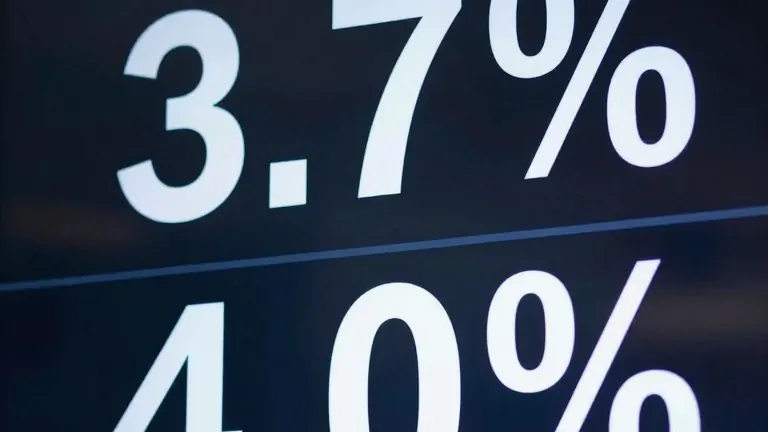
The annual inflation rate climbed to 3.7% in September, a figure that signals continued pressure on household budgets. This rise in the consumer price index comes as the Federal Reserve prepares for its October meeting. The central bank is widely expected to leave its benchmark interest rate unchanged at this session.
The Fed raised rates by 25 basis points in September to a target range of 3.75% to 4%. This marked the first increase in the federal funds rate since 2023. Market participants are now watching to see if the bank will hold steady or continue its tightening cycle. According to the CME Group’s FedWatch tool, fed funds futures show less than a 10% probability of another quarter-point hike this week. Nearly 75% of market expectations point to at least one additional rate increase by the end of the year.
Heather Long, chief economist at Navy Federal Credit Union, noted that inflation remains the primary economic concern. She stated, "Inflation is still the No. 1 problem in the U.S. economy, and there are a lot of signs it is getting more broad-based." Long added that the timing of the decision is likely influenced by the upcoming political calendar. "Given that it’s right before an election," she said, "they won’t hike in October."
The October meeting occurs days before the midterm elections. This timing allows the Fed to provide its final assessment of the inflation trajectory before voters head to the polls. Historical data suggests the Fed often maintains its course near midterm elections. Mark Shore, an economist at CME Group, pointed out that the four times the Fed raised rates near a midterm in 1978, 1982, 2018, and 2022 were all driven by rising inflation.
Fed Chairman Kevin Warsh has stated a commitment to returning inflation to the bank’s 2% target. Aditya Bhave, an economist at Bank of America, warned in a research note that a hold might lead markets to question the Fed’s credibility in fighting inflation. The benchmark rate directly influences the cost of borrowing and savings for consumers. While higher rates can cool inflation, they also increase the cost of loans and credit.
Mark Zandi, chief economist at Moody’s, observed that higher long-term rates are causing significant strain on consumer wallets. He noted that these rates have risen more than short-term rates, which is weighing on refinancing, homebuying, and vehicle sales. Short-term rates primarily affect credit cards and consumer finance loans. Most credit cards feature variable rates tied to the federal funds rate. If the Fed holds steady, average credit card APRs are likely to remain near the current level of 23.96%, according to LendingTree.
Mortgage rates are influenced by Treasury yields and broader economic outlooks. The 10-year U.S. Treasury yield has hovered near 5%, keeping the average 30-year fixed mortgage rate close to 7.4%, per Mortgage News Daily. Auto loan rates are shaped by the benchmark rate and other factors. Edmunds reports that many car buyers are taking out larger loans with longer repayment terms to manage affordability. Federal student loan rates for new borrowers are already set higher for the current academic year based on May auction results. Savers continue to benefit from relatively high yields on deposit products due to the elevated federal funds rate.
Source: CNBC