Israelis vote amid fear and uncertainty
Record turnout is projected as Palestinian citizens weigh the risks of abstention against the promise of political representation.
By Thomas Bennett ·
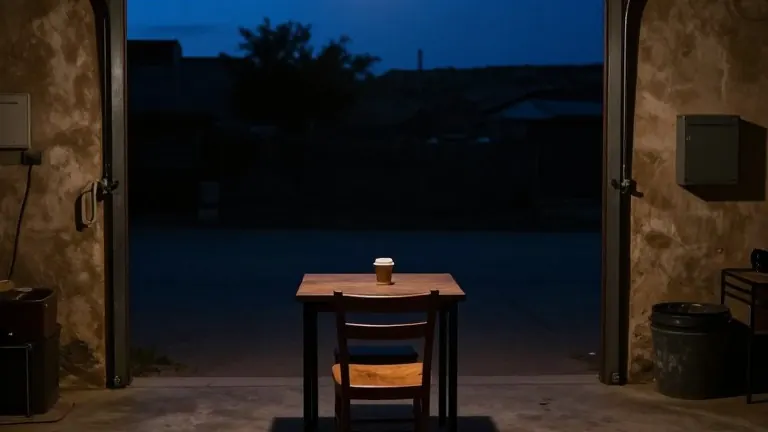
Seven decades of perceived political stagnation have left many Palestinian citizens of Israel disillusioned with the ballot box, but a new wave of anxiety is driving them back to the polls. Ibrahim Said, 70, abstained from voting in Israeli elections since 1980 after concluding that democratic promises failed to restore his family’s displaced lands or improve his community’s standing. From his garage in the Galilee, he now declares a change of heart. "Without a doubt, we must vote this time. We are living in fear," he said.
The current political climate intensified after the 2022 election returned Benjamin Netanyahu to power, granting substantial influence to allies Bezalel Smotrich and Itamar Ben Gvir. In the four years since, the Gaza war and escalating tensions in the West Bank have reshaped domestic life. Inside Israel, residents cite rising organized crime and sharp discrimination. Smotrich’s party has pledged to "Judaise" the Galilee and Negev regions, while three other parties have placed the deportation of Palestinians at the center of their platforms.
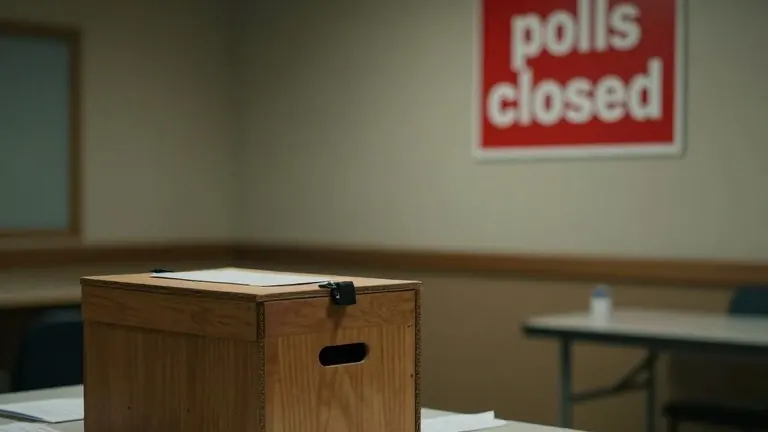
Turnout metrics reflect this shift. In 2022, only 54 percent of eligible Palestinian citizens cast ballots. Recent polls suggest that figure could climb to 68 percent or higher by Tuesday’s election. Ameer Fakhoury of the Vanleer Institute estimates turnout may reach 72 or 73 percent. He argues this surge stems from a lack of faith in state institutions rather than confidence in them. "We are voting to prevent displacement and protect the most basic conditions of our existence," Fakhoury explained.
Even long-time boycotters are reconsidering their stances. Musician Jowan Safadi, who previously argued that only the 2.1 million Palestinian citizens, about 20 percent of the official population, could vote in legislative elections, now considers casting a ballot. He hopes a change in leadership might bring a leader who is "slightly less barbaric and sadistic," though he remains "deeply apprehensive." Safadi credits Smotrich and Ben Gvir with mobilizing these hesitant voters.
Campaign dynamics have also changed. A Joint List source noted that parties are spending less money than in previous cycles because far-right rhetoric is already driving voter action. Adham, a mechanic in northern Israel, attended an event for opposition leader Naftali Bennett where a former Mossad official promised no coalition with Arab parties. Adham plans to support Mansour Abbas’s Raam, citing high crime rates in his community.
Statistics underscore the stakes for voters like Adham. Last year, Palestinian communities in Israel recorded 252 homicides. In the first half of 2026, that number reached 147, with police solving only 12 percent of the killings. Adham, a father of three, says he stays awake until his adult sons arrive home. His choice of Raam, which is fielding former police major-general Yoav Segalovich, reflects a desire for tangible security.
The motivation extends beyond safety to a sense of identity. Maha Mohammed, a teacher in Umm al-Fahm, says she feels afraid even in her hometown of Jaffa, particularly as a woman who wears the hijab. Local women seek safety for their families and a public affirmation of their status. "We are voting to affirm that we exist, that we are here, and that our presence in this country matters," she said.
Source: Middle East Eye
More Politics · World news · Report a business · Got a Story?