Puerto Rico Power Rates Hit Record High After 20 Percent Spike
Residents report bills doubling while operators blame fuel costs, prompting new protests in San Juan.
By Thomas Bennett ·
Electricity rates in Puerto Rico reached a record high this month after increasing by nearly 20 percent. The surge has left customers in the U.S. territory paying almost double the average price paid in the 50 states. This sharp rise has intensified public frustration over the cost of basic utilities.
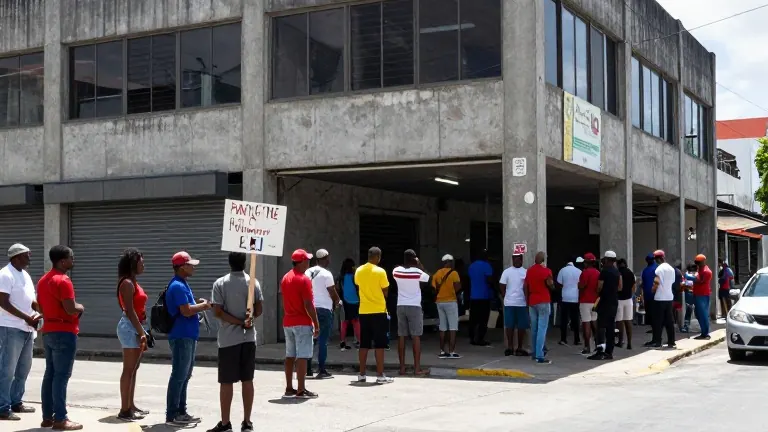
Protests erupted outside the offices of the island's electric utility in San Juan last week. Hundreds of demonstrators gathered to voice their anger. One protester shouted to the crowd that people were choosing between paying the light bill or buying food. Yahaira Velez, who sells shish kebabs from a food truck, said her monthly bill rose from 300 to 500. She said the increase forced her to work longer hours, taking time away from her family.
Janisse Quinones, the head of LUMA Energy, the private company that operates the power lines, posted a video to defend the firm. She stated that electricity is expensive because oil is expensive and that her company delivers power while another entity generates it. This division of responsibility has become a common point of contention as the island deals with ongoing power issues.
The current crisis builds on a history of grid problems dating back to Hurricane Maria in 2017. Federal overseers directed local officials to privatize the system after the storm. The companies that took over were expected to use billions in federal reconstruction grants to upgrade the infrastructure. Despite those promises, power outages remain a frequent occurrence for residents.
Governor Jenniffer Gonzalez-Colon has publicly accused LUMA of failing to meet its obligations. However, some residents hold the government responsible as well. Valeria Droz, a protester whose own bill has more than doubled in recent months, criticized the party that has held power for decades. She argued that officials privatized the grid instead of investing in renewable energy or stabilizing the public utility first. Droz noted that many young people have left the island because they can no longer afford to live there.
Source: WLRN