Florida Amendment 3: A $12 Billion Property Tax Cut That Could Slash Local Services
Voters face a choice between massive home tax relief and potential cuts to police, fire, and public works funding in a state with limited revenue sources.
By Alexander Parker ·
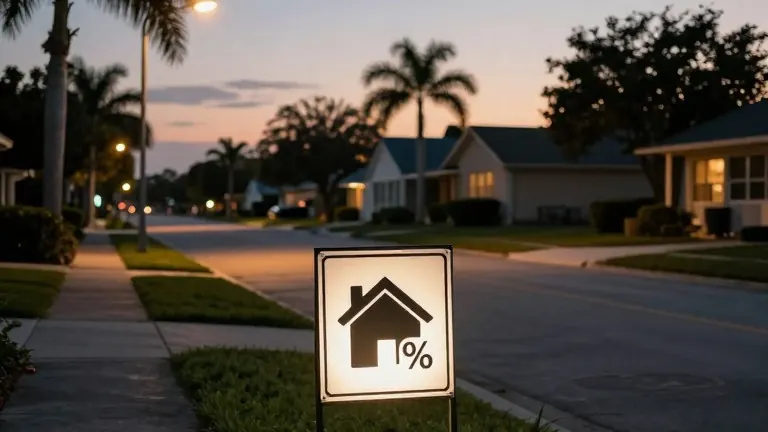
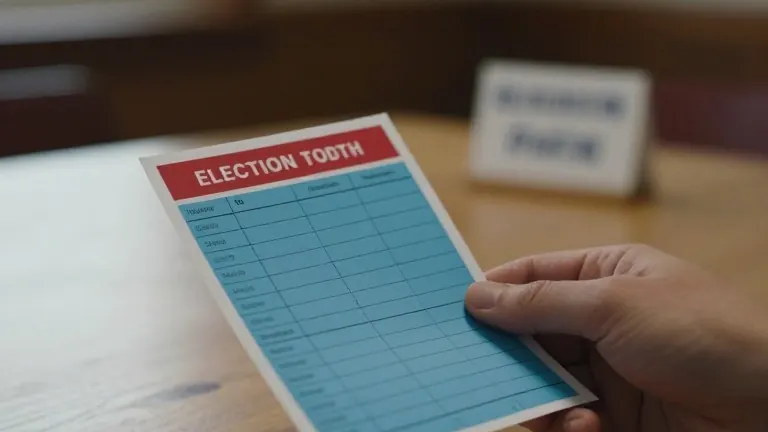
Florida voters are deciding on November 3 whether to pass Amendment 3, a measure that would expand homestead exemptions to cut local government revenue by nearly $12 billion. The proposal would raise the amount of a home's value exempt from property taxes from $50,000 to as much as $250,000 over two years. For some homeowners, this could eliminate non-school property taxes entirely, saving thousands of dollars annually.
The stakes extend beyond individual budgets. Local governments in Florida rely heavily on property tax revenue because the state does not levy individual income or estate taxes. Property tax collections have nearly doubled since 2019, rising from approximately $32 billion to almost $60 billion in the last fiscal year, according to the governor's office. Much of this growth resulted from a post-pandemic real estate boom driven by out-of-state buyers and low interest rates.
Supporters, including Governor Ron DeSantis and the Florida Realtors trade association, argue that local governments hold excessive funds while residents struggle with rising costs. Margy Grant, CEO of Florida Realtors, stated that homeowners have funded record revenue growth and deserve to keep that money in their pockets. The 'Vote Yes on 3' campaign has spent $19.5 million as of late October, using advertisements that emphasize high costs for groceries, fuel, and housing.
Critics warn that the revenue loss will force painful cuts to public services. Steven Johnson, an organizer with Florida Rising, asks affordability for whom, noting that the measure benefits a specific segment of homeowners. Mike Weinstein, Jacksonville's chief administrative officer, said the amendment would cut as much as $372 million from the city's budget over the next five years. With half of Jacksonville's $2 billion budget coming from property taxes, he expects impacts on mosquito control, road surfacing, libraries, and parks.
Public safety officials remain divided on the impact. The Florida Sheriffs Association warned that law enforcement, fire, and emergency medical services would suffer. Senator Rick Scott (R-Fla.) countered on social media that every county has waste to cut, claiming the amendment would force efficiency rather than service reduction. Weinstein noted that non-essential services like public transportation, homelessness prevention, and after-school programs are likely to face deeper cuts than core emergency services.
The amendment requires a supermajority of 60 percent to pass. Eligibility for the increased exemption is limited based on when homeowners purchased their properties, meaning many current and future residents will not see benefits. Renters, who make up a large portion of the state's population, will not receive direct tax relief but may face indirect costs if local governments raise fees or shift burdens to commercial properties.
Rachel Dues, a 54-year-old disabled veteran and notary in Jacksonville, is pushing for a 'no' vote despite not benefiting directly from the exemption. She relies on food pantries and utility assistance programs that could lose funding. Dues described the proposal as a bait and switch, arguing it helps some homeowners short term while harming the broader community long term. She spent the evening before the election making phone calls to neighbors, explaining that the measure could lead to cuts in flood prevention and road maintenance.
Maggie Fernandez, a 68-year-old homeowner, also campaigned against the measure. Although she might see some tax relief, she feared the cut to local services would hurt those with fewer resources. Fernandez made 111 phone calls in one evening as part of a Florida Rising outreach effort that reached nearly 1,500 residents that night. She urged voters to consider the long-term impact on public infrastructure and social safety nets.
The outcome in Florida may influence similar property tax limits adopted in 11 other states in 2026. As early voting concludes, the debate centers on whether the immediate savings for eligible homeowners outweigh the potential erosion of public services across the state.
Source: WUNC